Do Facebook and Instagram ads actually work for doctors and clinics?
For the right procedures, yes. They work best where patients think for weeks or months before booking and like to see the result and the surgeon first: facelifts, blepharoplasty, breast and body surgery, hair transplants, laser eye surgery, aesthetics, men's health. They work less well for urgent, one-off needs, where Google Ads usually wins. The results section above shows the leads and cost per lead for each specialty.
How much does a lead from Facebook or Instagram cost?
It depends on the procedure, the city and the offer. In the Australian campaigns on this page, leads cost from about $6 for Morpheus8 and $8 for anti-wrinkle treatment to $11–14 for hair transplants and breast augmentation. What matters more is how many leads book a consultation, which is why we track them past the form.
How much should a clinic spend on Meta ads?
Most of the campaigns on this page run on $10 to $70 a day each, one campaign per procedure. On the strategy session we look at your procedures, your area and your competitors' ads, and give you a budget range with an expected cost per lead before you commit to anything. Your ad spend is paid directly to Meta on your own card, separate from our fee.
Instant forms or a landing page?
Usually both, tested against each other. Instant forms open inside Facebook and Instagram, so more people fill them in and leads are cheaper. A landing page asks a little more effort and tends to bring fewer, warmer enquiries. We add qualifying questions to the form so your team knows who to call first, and keep whichever produces more consultations, not more leads.
Are social media leads lower quality than Google leads?
They are earlier in the decision, not worse. Someone who fills in a form between videos needs a call back the same day and a good reason to book. That is why every lead goes into your CRM with an instant SMS and email, and why we report consultations booked, not just leads.
What can a medical ad say on Facebook and Instagram?
Less than most clinics expect. Meta does not allow ads that imply they know someone's health condition ("Struggling with hair loss?"), restricts before-and-after images, and stopped letting advertisers target health interests in 2022. In Australia, the TGA does not allow prescription-only medicines such as anti-wrinkle injections to be advertised to the public, and AHPRA and the Medical Board’s guidelines restrict testimonials, before-and-after images and cosmetic procedure ads aimed at under-18s. We check every ad against Meta's policies, AHPRA’s advertising guidelines and the TGA’s rules before it runs.
Do you make the ads, or do we have to supply them?
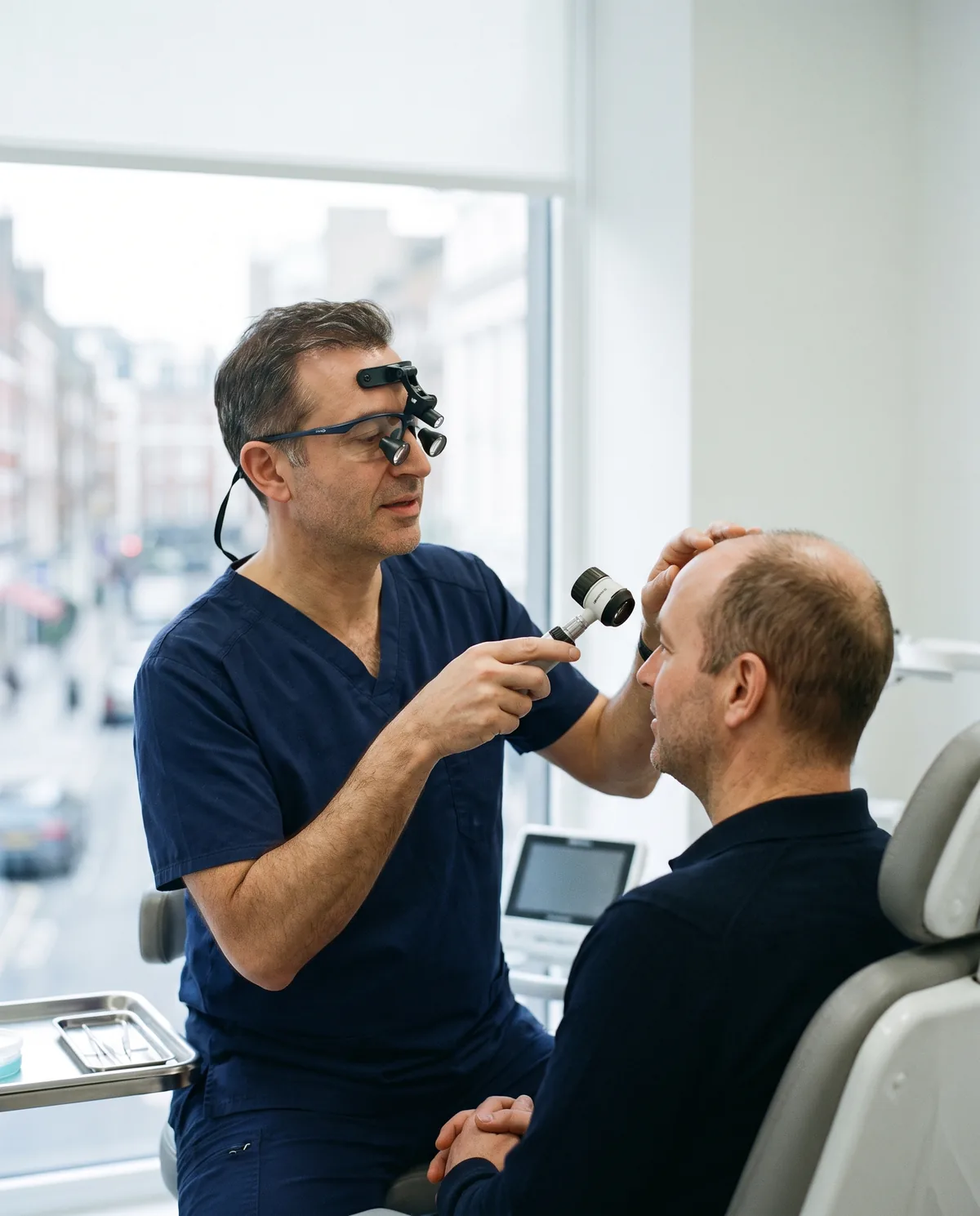
We make them. The videos in the Our work section were scripted, edited and run by our team, from surgeon explainers to patient stories and clinic tours. If you can give us a short session in front of a camera, or your own footage, we turn it into a set of ads to test. Photos and reviews you already have are a good place to start.
Do Facebook ads work for dentists?
Yes, for treatments patients plan for rather than emergencies: implants, Invisalign and aligners, veneers, whitening and smile makeovers. The same rules apply as for any clinic: one treatment per campaign, a clear price or offer, and a fast call back.
Who owns the ad account and the leads?
You do. We work inside your own Meta Business account, billed to your card, so the ads, the audiences, the pixel data and every lead stay with your clinic whatever happens.
Should we run social ads or Google Ads?
Ideally both, for different jobs. Google Ads catches the patients already searching for your procedure. Facebook and Instagram reach the far larger group who haven't started searching yet, and remind the searchers who visited and left. Most of our clinics start with whichever is closer to a booked patient for their procedure, then add the other.